
Managing Stress Skin: How Cortisol Affects Your Complexion
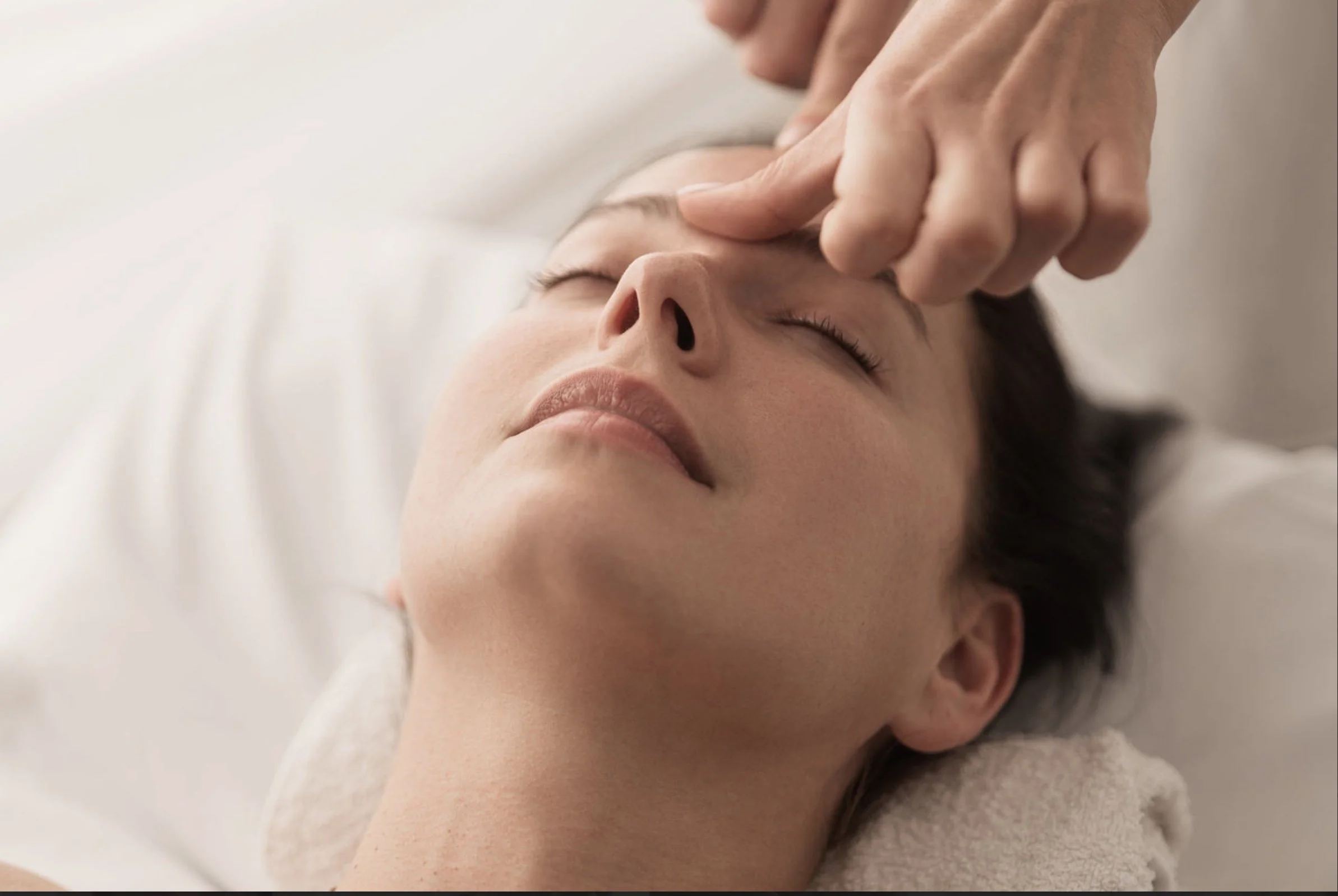
When you're under pressure, your skin is often the first place to tell on you. Whether it’s a sudden breakout before a big presentation or a dullness that won’t quit during a busy month, the culprit is usually the same: cortisol.
Often dubbed the stress hormone, cortisol plays a vital role in our survival, but when it stays elevated, it can wreak havoc on your complexion. Here is how stress-induced cortisol affects your skin and, more importantly, how you can manage it.
The Breakout Trigger: Excess Oil
When you’re stressed, your body’s fight or flight response kicks in, prompting the adrenal glands to flood your system with cortisol. This hormone signals your sebaceous glands to go into overdrive.
The Result: An overproduction of sebum (oil) that clogs pores, traps bacteria, and leads to those stress pimples typically found around the jawline and chin.
The Barrier Breach: Sensitivity and Redness
Cortisol is known to weaken the skin’s natural protective barrier. This barrier is responsible for locking in moisture and keeping out irritants like pollution and allergens.
The Result: When the barrier is compromised, your skin loses hydration faster (transepidermal water loss) and becomes hypersensitive. This can lead to dry patches, redness, and the "stinging" sensation some feel when applying their usual products.
The Collagen Thief: Premature Aging
Chronic stress doesn't just affect the surface; it goes deep. High levels of cortisol can actually break down the collagen and elastin fibers that keep your skin plump and firm.
The Result: Over time, this stress-aging leads to more pronounced fine lines, a loss of elasticity, and a generally tired appearance that sleep alone can’t seem to fix.
How to Manage Stress Skin
The good news? You can hit the reset button on your complexion by combining targeted skincare with lifestyle shifts.
Calm the Inflammation
When your skin is stressed, less is more. Switch to a gentle, pH-balanced cleanser and look for ingredients like Niacinamide (to strengthen the barrier), Hyaluronic Acid (to replenish lost moisture), and Ceramides (to repair the skin's mortar).
Practice Mindful Skincare
Turn your routine into a ritual. Instead of rushing, spend two minutes massaging your serum into your skin. The act of self-care can actually help lower cortisol levels, creating a positive feedback loop between your mind and your skin.
Prioritize Your Beauty Sleep
Sleep is when your skin goes into repair mode. Aim for 7-9 hours to allow your cortisol levels to naturally dip, giving your skin the time it needs to synthesize new collagen and heal from the day's stressors.
Move (But Not Too Much)
While exercise is a great stress-buster, high-intensity workouts can sometimes spike cortisol further. If you’re feeling particularly burnt out, opt for yoga, Pilates, or a brisk walk to boost circulation without overtaxing your system.
The Bottom Line
Your skin is a reflection of your internal health. While we can’t always control the stressors in our lives, we can control how we support our skin through the process. By understanding the cortisol connection, you can move from reacting to breakouts to proactively protecting your glow.
Ready to rebuild your skin barrier? Explore our Hydrating Serums designed to soothe and restore stressed complexions.